

The Importance of Organic Meals for Kids: A Parent’s Guide
As a parent, you want nothing more than to see your child thrive. But navigating the grocery aisle can feel overwhelming. You worry about pesticides, question if the higher price tag on organic food is truly worth it, and juggle the daily challenge of pleasing a picky eater. It’s a common concern, but one that has a clear, empowering solution. Choosing organic meals for kids is more than just a dietary preference; it’s a dedicated approach to nurturing your child’s holistic development from the inside out, providing a pure and powerful foundation for their growth.
In this guide, we will move past the confusion and provide the reassuring answers you need. We’ll explore the science-backed benefits of organic food for your child’s cognitive and physical well-being, giving you the confidence that you’re providing exceptional nutrition. You will also discover practical, time-saving strategies to make healthy eating a joyful part of your family’s life, helping you establish the foundation for a brighter, healthier tomorrow for your little one.
What Does ‘Organic’ Really Mean on Your Child’s Plate?
As dedicated parents, we constantly seek the best for our children’s holistic development, and nutrition is a cornerstone of that foundation. The word ‘organic’ appears everywhere, but what does it truly signify for your child’s health? In simple terms, organic refers to a comprehensive system of how food is grown, handled, and processed. The fundamental question of What is Organic Food? is answered by strict government standards designed to protect natural resources and promote ecological balance. It’s not just about the final apple or carrot; it’s about a commitment to a healthier process from farm to table.
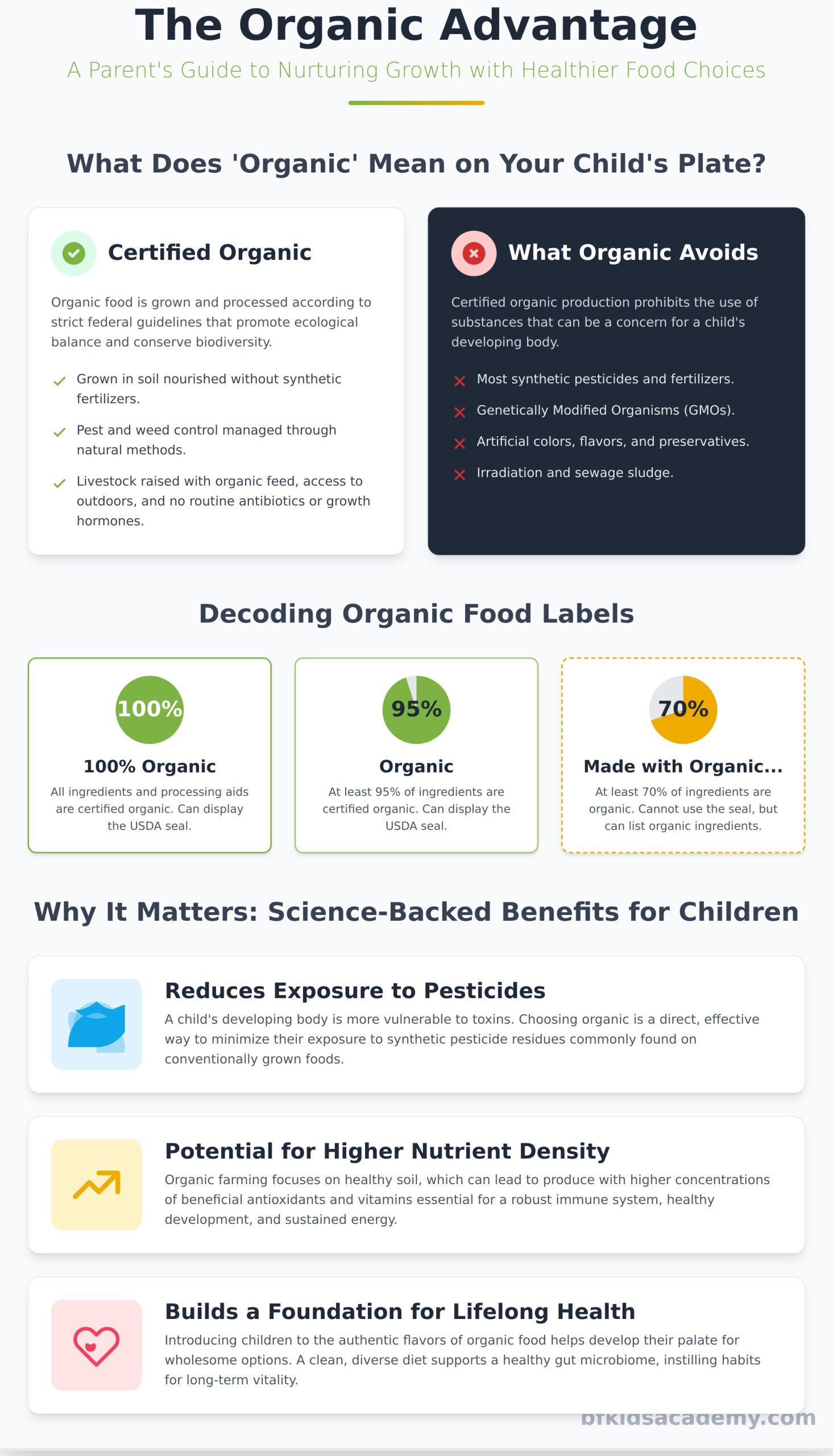
When you see the USDA Organic seal, you can be confident that the food was produced without certain prohibited substances. This commitment to a cleaner production system is a key reason why many parents choose organic meals for kids. This means the farming practices avoid:
- Most synthetic pesticides and fertilizers
- Genetically modified organisms (GMOs)
- Artificial growth hormones and routine use of antibiotics in livestock
- Irradiation and sewage sludge
It’s important not to confuse ‘organic’ with terms like ‘natural.’ While ‘natural’ may sound wholesome, it is not a regulated term and can be used on products containing artificial ingredients. The organic seal, however, is a legally protected certification, offering a reliable guarantee of production standards.
Decoding Food Labels: Beyond the Buzzwords
Navigating the grocery aisle can feel overwhelming, but understanding organic labels is straightforward. The USDA provides clear categories:
- 100% Organic: All ingredients are certified organic.
- Organic: At least 95% of the ingredients are certified organic.
- Made with Organic Ingredients: At least 70% of ingredients are organic. These products cannot display the USDA seal but can list the certified ingredients.
The absence of a seal doesn’t always mean a product is inferior; some small, local farms may use organic methods without undergoing the costly certification process. Always check the ingredient list for clarity.
Key Ingredients to Avoid in Non-Organic Foods for Kids
Choosing organic helps you steer clear of certain substances that are of particular concern for a child’s developing body. Non-organic foods may contain residues of synthetic pesticides, which some studies have linked to developmental issues. Similarly, non-organic dairy and meat products may come from animals treated with artificial growth hormones. Finally, certified organic foods are free from artificial colors, flavors, and preservatives-additives that provide no nutritional value and are best avoided in your child’s diet.
The Science-Backed Benefits of Organic Food for Growing Children
Providing children with the best possible start in life is every parent’s goal. Nutrition plays a fundamental role in this journey, directly impacting everything from cognitive function to physical growth. Choosing organic meals for kids is more than a dietary preference; it is a proactive investment in their holistic development. The benefits are not just theoretical-they are rooted in scientific evidence that highlights how clean, wholesome food can help empower young minds and bodies to thrive.
Reducing Exposure to Pesticides and Chemicals
A child’s developing body is uniquely vulnerable to the effects of external toxins. Because their systems are still maturing and they consume more food relative to their body weight, their exposure to pesticide residues found on conventionally grown foods can be higher. Research has raised concerns about the links between long-term pesticide exposure and developmental challenges. Opting for certified organic food is a direct and effective way to minimize this risk, a point supported by extensive analysis on the Science-Backed Benefits of Organic Food from institutions like the Harvard T.H. Chan School of Public Health. It’s a reassuring step toward protecting their delicate systems during critical growth phases.
Potential for Higher Nutrient Density
Healthy soil creates healthy food. Organic farming practices, which focus on soil vitality without synthetic fertilizers, can lead to produce with a richer nutritional profile. Several large-scale studies have found that organic fruits and vegetables may contain significantly higher concentrations of antioxidants, such as polyphenols, which help protect the body’s cells from damage. These nutrient-dense foods provide the essential vitamins and minerals necessary to support:
- A robust and responsive immune system.
- Healthy bone and muscle development.
- Sustained energy for learning and play.
Building a Foundation for Lifelong Health
The eating habits formed in early childhood often set the stage for a lifetime of wellness. When children are introduced to the vibrant, authentic flavors of organic produce, they develop a palate for wholesome foods. A diverse diet rich in clean, organic ingredients can also support a balanced gut microbiome, which is crucial for overall health. By prioritizing high-quality organic meals for kids, you are not just nourishing them for today-you are instilling values and habits that contribute to their long-term vitality and well-being, empowering them for a brighter, healthier tomorrow.
This thoughtful approach to nutrition now extends to all members of the family, including pets. Many parents who prioritize organic meals for their children also seek higher quality options for their dogs, leading to a rise in services that provide custom dog food Malaysia.
Navigating the Challenges: Budget, Time, and Picky Eaters
At Bright Future Kids Academy, we understand that providing nutritious, organic meals for your children is a priority, but the realities of modern parenting can present hurdles. Committing to an organic lifestyle can feel daunting when you’re balancing a budget, a busy schedule, and a child’s unique preferences. The motivation is clear-a comprehensive NIH study on organic food for children reinforces the benefits of reduced pesticide exposure. The good news is that with a few practical strategies, you can confidently navigate these challenges and empower your family to thrive.
Making Organic Meals Affordable for Your Family
A common misconception is that an organic diet must be expensive. By shopping strategically, you can nourish your family with high-quality food without straining your budget. We recommend focusing your resources where they matter most.
- Prioritize with the ‘Dirty Dozen’: Use the Environmental Working Group’s “Dirty Dozen” list to identify produce with the highest pesticide residues (like strawberries and spinach) and prioritize buying these organic. You can save on items from the “Clean Fifteen” list, which have the lowest residues.
- Buy Seasonal and Local: Produce that is in-season and grown locally is often fresher and more affordable. Visiting a local farmers’ market is a wonderful way to connect with your community and access high-quality ingredients.
- Embrace Bulk and Frozen Options: Buying organic staples like oats, rice, and beans in bulk can significantly reduce costs. Don’t overlook the freezer aisle-frozen organic fruits and vegetables are just as nutritious as fresh and are perfect for smoothies, soups, and side dishes.
Time-Saving Tips for Busy Parents
Preparing fresh, organic meals for kids doesn’t have to consume your evenings. A little planning goes a long way in creating a seamless and stress-free routine. The key is to work smarter, not harder.
- Weekly Meal Prep: Dedicate an hour or two on the weekend to wash and chop vegetables, cook a batch of quinoa, or portion out healthy snacks. This simple habit makes weekday meal assembly incredibly fast.
- One-Pot Wonders: Embrace simple, nourishing recipes like stews, chilis, and pasta dishes that come together in a single pot. This minimizes both cooking and cleanup time.
- Create an ‘Organic Pantry’: Keep your pantry stocked with versatile staples like organic canned tomatoes, beans, whole-grain pasta, and broths. A well-stocked pantry is your best ally for creating a quick, healthy meal on a busy night.
Winning Over a Picky Eater with Healthy Foods
Introducing new foods to a selective eater requires patience and creativity. The goal is to foster a positive and curious relationship with food, turning mealtime into an adventure rather than a battle.
- Involve Them in the Process: Children who help choose and prepare food are more invested in eating it. Let them pick a new vegetable at the store, help wash produce, or stir ingredients. This sense of ownership is empowering.
- Make Food Fun: Use cookie cutters to create fun shapes with sandwiches or fruit. Arrange vegetables into a colorful rainbow or a smiley face on their plate. A playful presentation can make a new food much more appealing.
- Pair New with Familiar: Introduce a small portion of a new organic food alongside a trusted favorite. This no-pressure approach allows them to explore the new item at their own pace without feeling overwhelmed.
Building these healthy habits is a cornerstone of a child’s holistic development, a principle we practice every day at Bright Future Kids Academy.
How Quality Childcare Supports Your Child’s Organic Journey
As a parent, you invest significant effort into establishing healthy eating habits at home, from choosing fresh produce to preparing wholesome dishes. The right childcare center should be an extension of that commitment, not a disruption. Nutritional consistency is vital for a child’s stable energy levels, cognitive development, and overall well-being. Finding a daycare that aligns with your food philosophy transforms them from a simple caregiver into a genuine partner in nurturing your child’s health.
What to Look for in a Daycare’s Nutrition Program
When evaluating a childcare center, it’s essential to look beyond the curriculum and ask detailed questions about their approach to food. A truly dedicated program will welcome your inquiries and be transparent about their practices. Key areas to investigate include:
- Menus and Sourcing: Ask to see a sample weekly menu. Inquire about where they source their ingredients-do they prioritize fresh, local, and organic options?
- Food Preparation: Is food prepared fresh on-site daily, or do they rely on pre-packaged, processed items? Fresh preparation ensures higher nutritional value and avoids unwanted preservatives and additives.
- Dietary Accommodations: Confirm that the center can safely and knowledgeably manage any allergies, intolerances, or specific dietary needs your child has.
The Role of Social Eating in Developing Good Habits
Mealtimes in a group setting are powerful learning opportunities. Children are often more willing to try new foods, like vibrant vegetables or different proteins, when they see their peers enjoying them. This positive social influence can gently expand their palate without pressure. Structured, communal mealtimes, guided by nurturing teachers, help foster a happy and curious relationship with food, turning meals into a time for discovery and connection rather than conflict.
Our Commitment at Bright Future Kids Academy
At Bright Future Kids Academy, we believe exceptional care includes exceptional nutrition. Our philosophy is rooted in the understanding that a well-nourished child is better equipped to learn, play, and thrive. We are proud to provide delicious, freshly prepared organic meals for kids as a core component of our program.
Our carefully planned menus are designed to support holistic development, providing the essential nutrients that fuel growing bodies and empower young minds. We see good nutrition not as an add-on, but as a fundamental pillar of our promise to shape the future with care. We invite you to learn more about our nurturing programs.
Nourishing Your Child’s Bright Future
Choosing what to put on your child’s plate is a powerful act of love. As we’ve explored, the decision to prioritize organic food is an investment in their holistic development, offering science-backed benefits that fuel their growing bodies and minds. While navigating challenges like budgets and picky eaters is a real part of parenting, providing consistent organic meals for kids establishes a foundation for lifelong wellness. You don’t have to do it alone; finding a partner who shares your values can make all the difference.
At Bright Future Kids Academy, we are that partner. As a licensed, family-owned center, we are deeply committed to supporting your child’s well-being by serving delicious, organic meals daily. We integrate this commitment to health into our nurturing, trilingual environment, ensuring every aspect of your child’s day is designed to help them thrive. We invite you to see our dedication firsthand.
Schedule a tour to see our nurturing environment and taste our commitment to health!
Together, we can build a healthy foundation for your child’s bright tomorrow.
Frequently Asked Questions About Organic Meals for Kids
Is organic food really safer and more nutritious for my child?
Yes, providing organic meals for kids is a meaningful choice for their safety. The primary benefit is significantly reducing their exposure to synthetic pesticides, which is especially important for their smaller, developing bodies. While nutrient levels are often comparable, choosing organic ensures a cleaner start. This focus on pure ingredients supports your child’s holistic development and long-term well-being, providing a wholesome foundation for them to grow and thrive.
What are the most important organic foods to buy for kids if I’m on a budget?
To maximize your budget, focus on purchasing organic versions of produce with the highest pesticide residues, often called the “Dirty Dozen.” This list typically includes items your child loves, like strawberries, spinach, apples, and grapes. You can then save by choosing conventional versions of “Clean Fifteen” produce, such as avocados, sweet corn, and pineapples. This strategic approach helps you provide the healthiest options where it matters most for their cognitive and physical development.
How can I get my picky toddler to eat healthier, organic vegetables?
Encouraging a picky eater requires patience and creativity. Try presenting organic vegetables in fun ways, like broccoli “trees” with a yogurt dip or a colorful “rainbow” salad. Involving your toddler in washing or mixing can also spark their interest. For a simple boost, blend spinach into a fruit smoothie or puréed carrots into pasta sauce. Consistent, positive exposure without pressure helps build a foundation for a lifetime of healthy eating habits and empowers their confidence.
Are organic snacks actually healthy, or are they just junk food with a label?
The “organic” label guarantees the ingredients were grown without synthetic pesticides, but it doesn’t automatically mean a snack is healthy. Organic cookies, crackers, and fruit snacks can still be high in sugar and sodium. It’s essential to read the nutrition label. For your child’s well-being, prioritize snacks made from whole ingredients, like organic apple slices or yogurt, over highly processed options, even if they carry an organic seal from the store.
What’s the difference between ‘organic’ and ‘natural’ foods?
These terms are not interchangeable. “Organic” is a legally regulated term by the USDA. It means the food was grown and processed according to strict federal guidelines that address soil quality, pest control, and prohibit synthetic fertilizers. The term “natural,” however, is not well-regulated and usually just means the product has no artificial colors, flavors, or preservatives. For a guaranteed standard of quality and care, always look for the USDA Organic seal.
Does a daycare’s food program really make a difference in my child’s health?
Yes, it makes a profound difference. Since children consume a significant number of their weekly meals at daycare, the food program is critical to their holistic development. A program that provides fresh, organic meals for kids fuels their bodies and brains for learning and play, helping to establish healthy lifelong eating habits. It directly supports their energy levels, cognitive function, and overall well-being, empowering them to thrive in an enriching academic environment.